Not every eye is the same, and not every patient is suited to the same laser vision correction method. Some people are told they cannot have LASIK because their corneas are too thin. Others have jobs or hobbies that involve a risk of impact to the face and prefer a procedure without a corneal flap. For many of these patients, LASEK in Turkey offers an excellent solution. At Eye Travel Turkey, operated by Kaşkaloğlu Eye Hospital in Izmir, we offer a full range of laser vision correction treatments and help every patient choose the method that best fits their eyes and lifestyle.
What Is LASEK?
LASEK stands for Laser-Assisted Subepithelial Keratectomy. It is a surface laser treatment, which means the laser reshapes the cornea directly beneath its thin outer layer, called the epithelium, without creating a deeper flap.
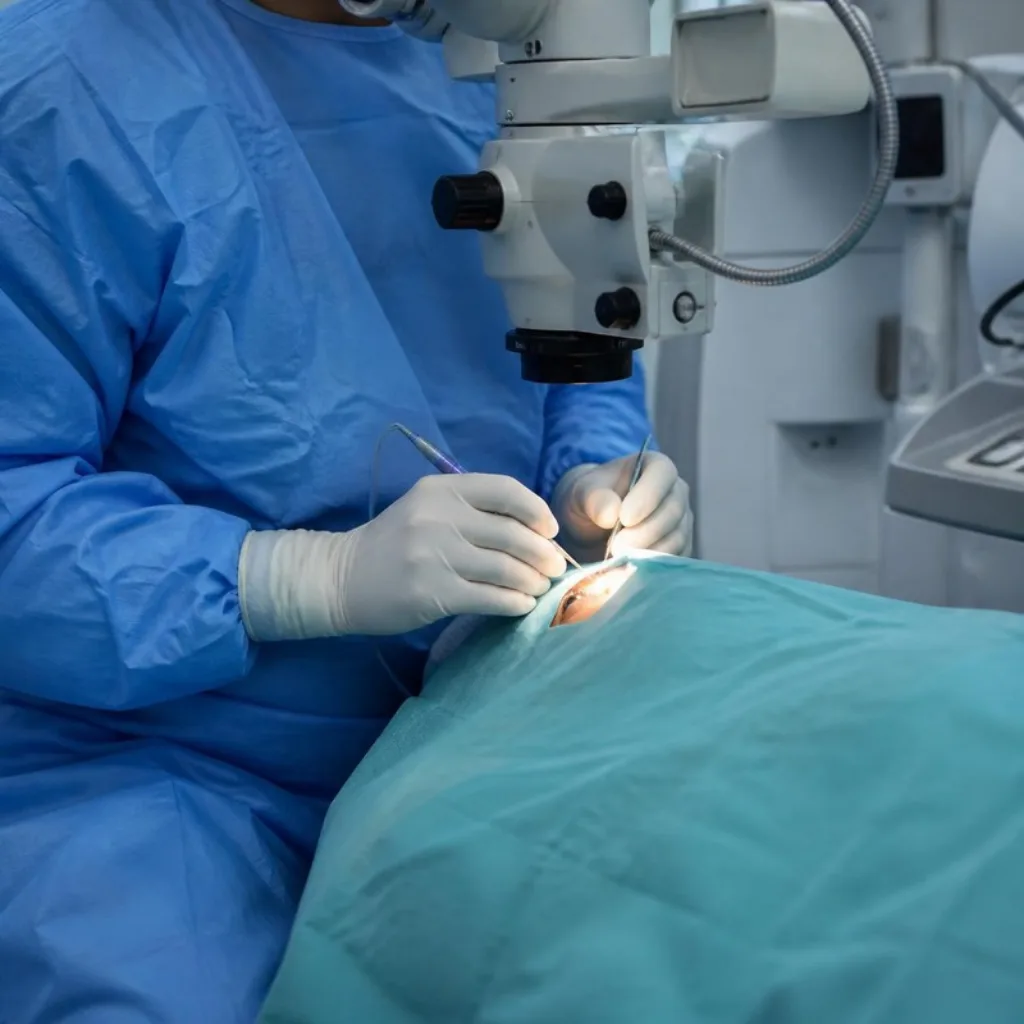
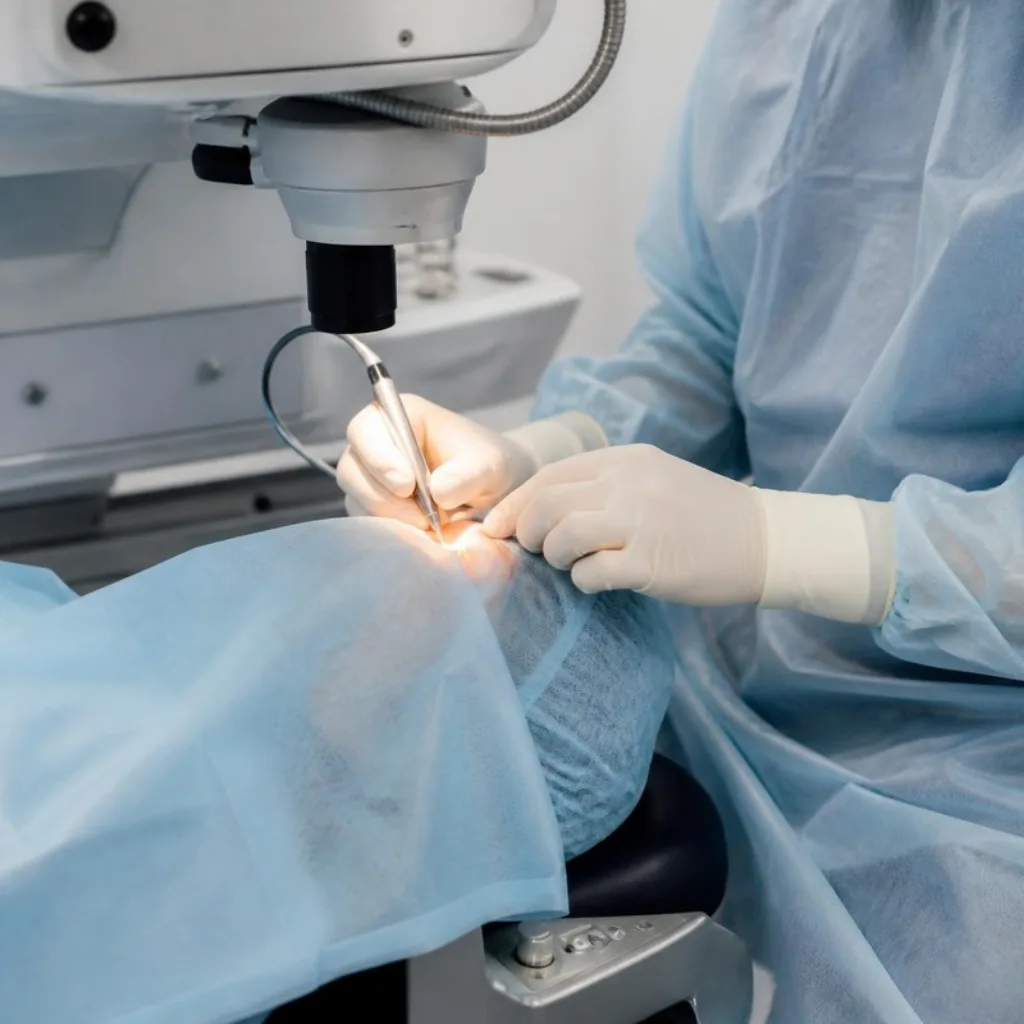
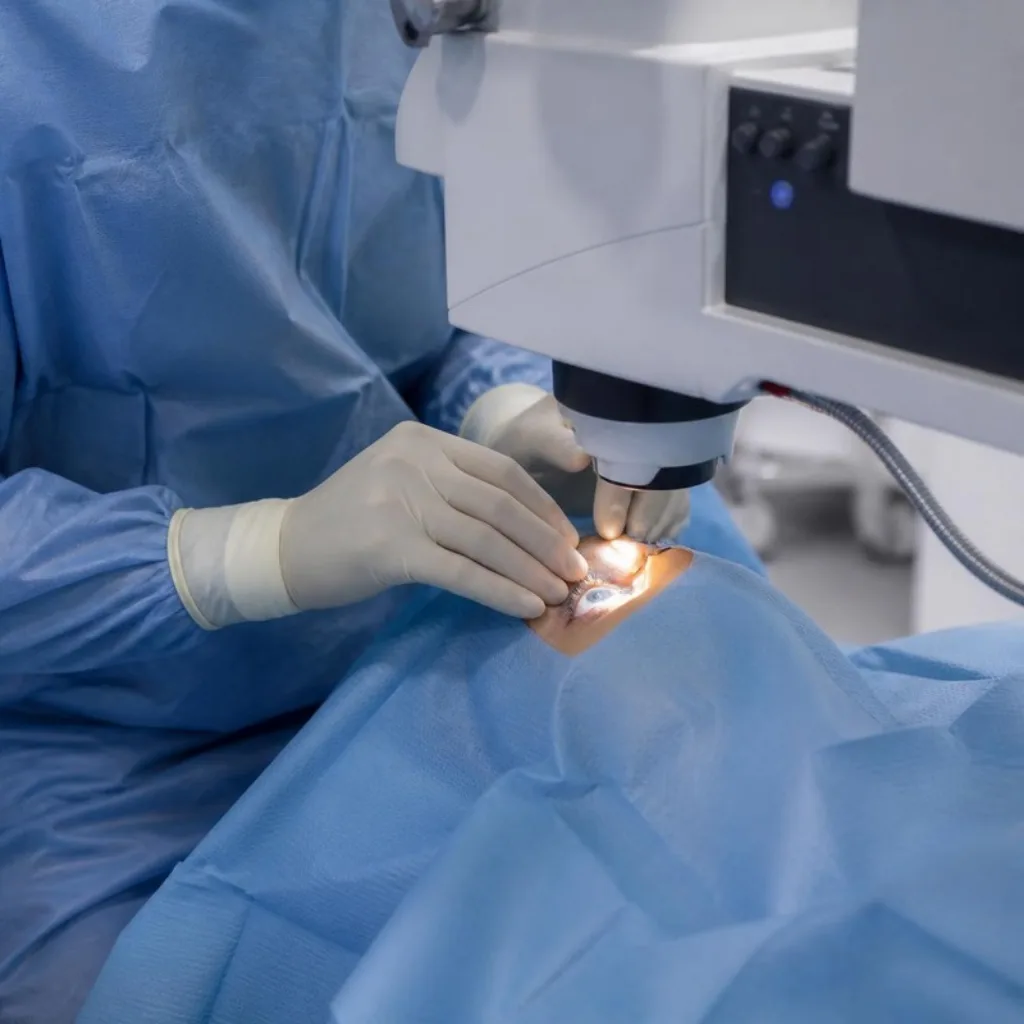
During the procedure, the surgeon applies a mild alcohol solution to loosen the epithelium. This layer is then gently moved aside. An excimer laser reshapes the corneal surface according to your prescription, correcting myopia (nearsightedness), hyperopia (farsightedness) or astigmatism. Finally, a soft bandage contact lens is placed on the eye to protect it while the epithelium heals.
LASEK vs LASIK: What Is the Difference?
In LASIK or Femto LASIK, a thin flap is created in the cornea, lifted and then placed back after laser treatment. This allows very fast visual recovery, but it requires a certain corneal thickness and leaves a permanent flap.
LASEK does not create a flap. As a result:
- More corneal tissue is preserved, making it suitable for many patients with thinner corneas.
- There is no risk of flap-related complications, such as flap displacement after an injury.
- Healing takes longer, and the first few days are usually more uncomfortable than after LASIK.
Over the long term, visual results with LASEK and LASIK are generally very similar when patients are properly selected.
LASEK and TransPRK
LASEK is closely related to PRK and TransPRK (No-Touch Laser). All three are surface treatments. The main difference is how the epithelium is removed: with alcohol in LASEK, mechanically in PRK or entirely by the laser in TransPRK. Your surgeon will explain which surface method is most suitable for you after your examination.
Who Is a Good Candidate for LASEK in Turkey?
LASEK in Turkey may be a good choice if you:
- Are over 18 and have had a stable prescription for at least a year
- Have corneas that are too thin for LASIK
- Take part in contact sports, martial arts or military and police work
- Have healthy eyes without active disease
- Have realistic expectations about the recovery period
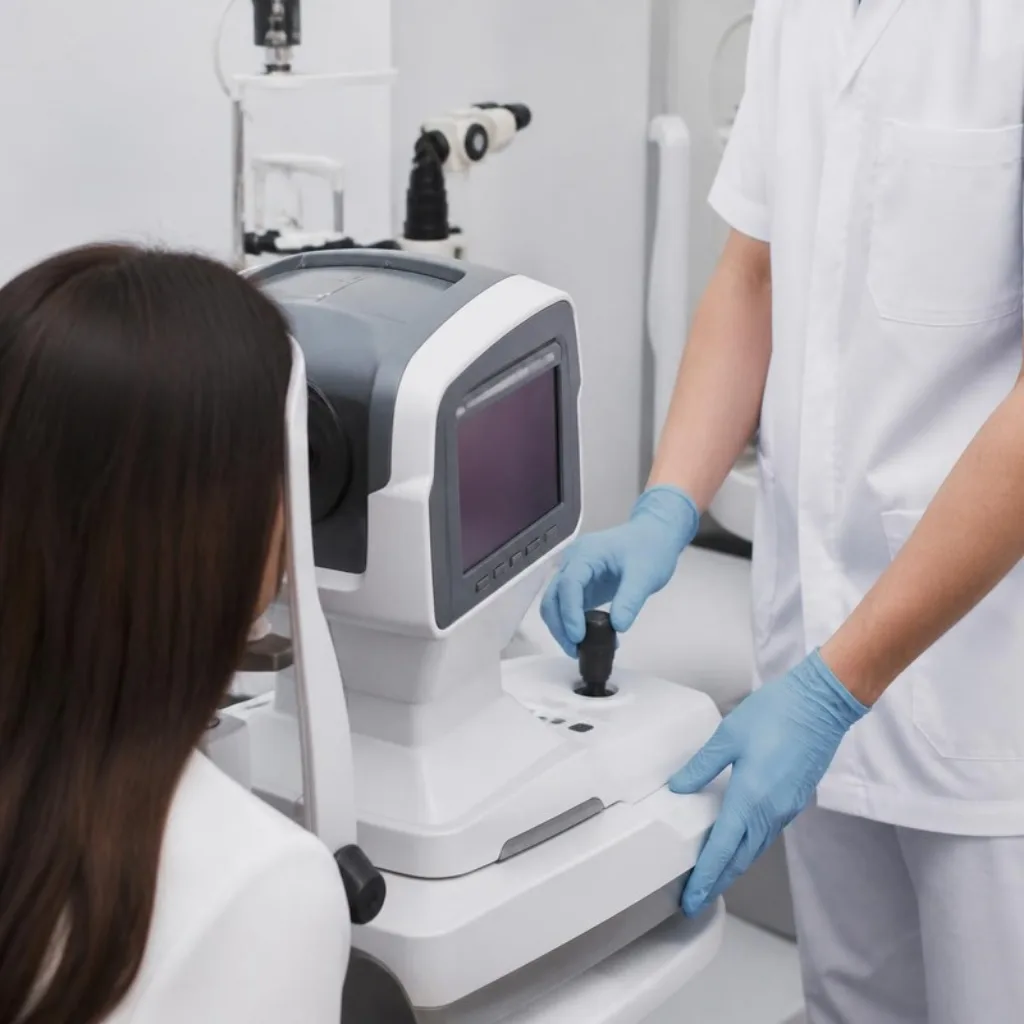
Before any decision, you will undergo a comprehensive eye examination including corneal topography, corneal thickness measurements, tear film assessment and a check of the retina. This ensures that the procedure is safe for you.
Why Choose LASEK in Turkey?
Patients from many countries choose LASEK in Turkey because of the combination of experience, technology and value. At Kaşkaloğlu Eye Hospital, our surgeons perform all major types of laser vision correction, so they can recommend the procedure that truly suits your eyes rather than the one a clinic happens to offer. We use modern excimer laser platforms and advanced diagnostic devices to plan each treatment precisely.
In addition, treatment packages in Turkey are often much more affordable than in the UK, Europe or the United States, and appointments can be planned without long waiting lists.
The Procedure Day
LASEK is performed under anesthetic eye drops, so you do not feel pain during the treatment. The laser itself usually works for less than a minute per eye, and the whole procedure typically takes around 15 to 20 minutes for both eyes. You will be able to return to your hotel the same day.
Recovery After LASEK
Recovery is the main difference between LASEK and flap-based procedures. During the first three to five days, while the epithelium heals under the bandage lens, you may experience discomfort, watering, light sensitivity and blurry vision. Pain relief and eye drops help manage these symptoms.
After a few days, the bandage lens is removed at a follow-up visit. Vision continues to improve over the following weeks as the corneal surface smooths out. Wearing sunglasses outdoors and using your prescribed drops carefully are important for the best result.
Your Journey with Eye Travel Turkey
Our international team supports you before, during and after your trip. We can help you arrange airport transfers, hotel accommodation and translation support. Because surface treatments need a little more recovery time, we will help you plan the right length of stay in Izmir so that you can attend your follow-up visits comfortably.
Conclusion
If you have been told you are not suitable for LASIK, or if you simply prefer a flap-free procedure, LASEK in Turkey may be the right path to life without glasses. With the expertise of Kaşkaloğlu Eye Hospital and the personal care of Eye Travel Turkey, you can take this step with confidence. Contact our international patient team today to learn whether LASEK is right for you.