If your glasses prescription keeps changing, your vision seems distorted even with new lenses, or contact lenses no longer feel comfortable, the cause may be a condition called keratoconus. It often begins in the teenage years or early twenties and can slowly progress over time. Early diagnosis and the right treatment make a big difference. Keratoconus Treatment in Turkey gives international patients access to modern corneal care, experienced specialists and advanced diagnostic technology. At Eye Travel Turkey, operated by Kaşkaloğlu Eye Hospital in Izmir, we help patients understand their condition and choose the treatment that best protects their vision.
What Is Keratoconus?
The cornea is the clear, dome-shaped surface at the front of the eye. Normally it has a smooth, rounded shape that focuses light accurately. In keratoconus, the collagen fibers that give the cornea its strength become weaker. As a result, the cornea gradually becomes thinner and begins to bulge forward into a cone-like shape.
This irregular shape scatters light instead of focusing it clearly. Common symptoms include:
- Blurred and distorted vision
- Increasing astigmatism
- Frequent changes in glasses prescription
- Sensitivity to light and glare
- Seeing multiple images or “ghosting” around objects
Keratoconus usually affects both eyes, although one eye is often more advanced than the other. Genetics, allergies and frequent eye rubbing are among the factors linked to the condition.
How Is Keratoconus Diagnosed?
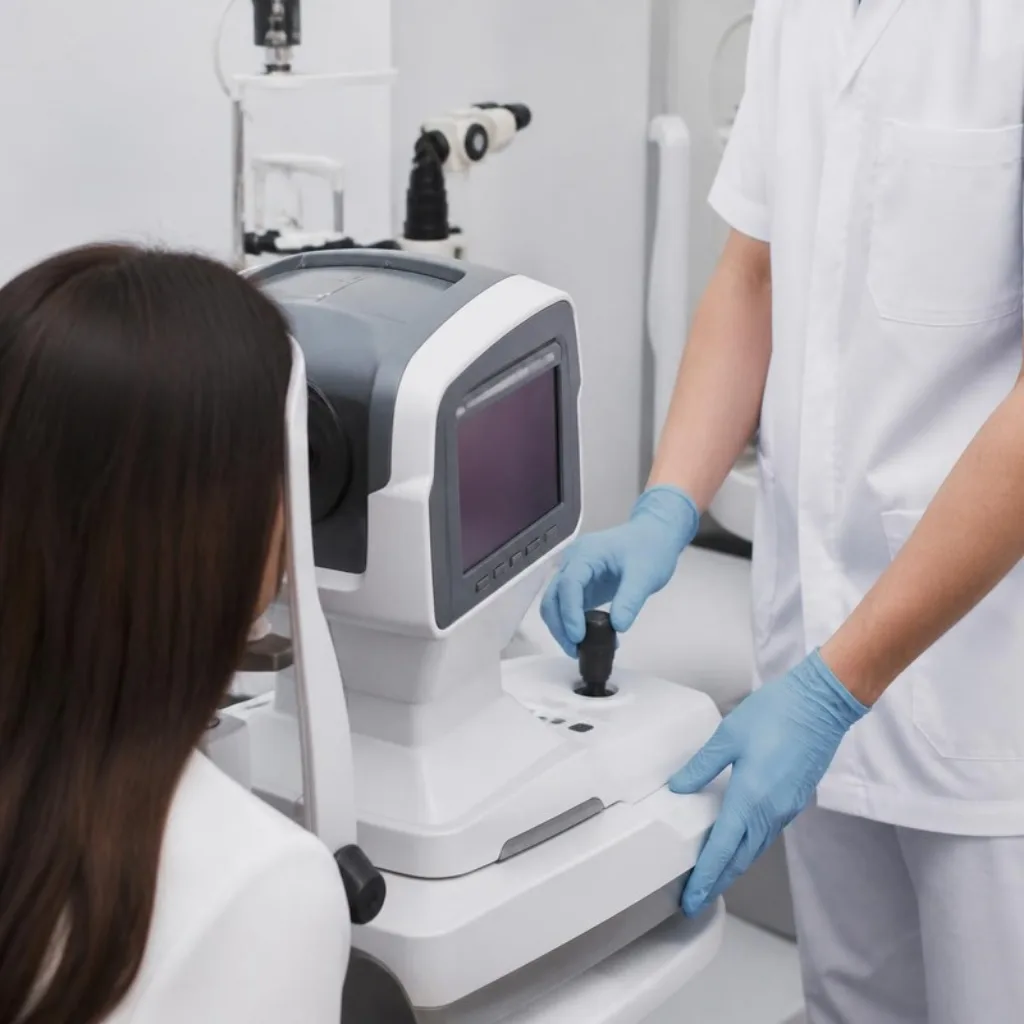
Early keratoconus can be difficult to detect with a standard eye test. That is why detailed corneal imaging is essential. At Kaşkaloğlu Eye Hospital, we use corneal topography and tomography to create a precise map of the shape and thickness of your cornea. These measurements allow us to diagnose keratoconus at an early stage, monitor whether it is progressing and decide on the most suitable treatment.
Corneal Cross-Linking: Stopping Progression
The most important goal of Keratoconus Treatment in Turkey is to stop the disease from getting worse. The main treatment for this is corneal cross-linking (CXL).
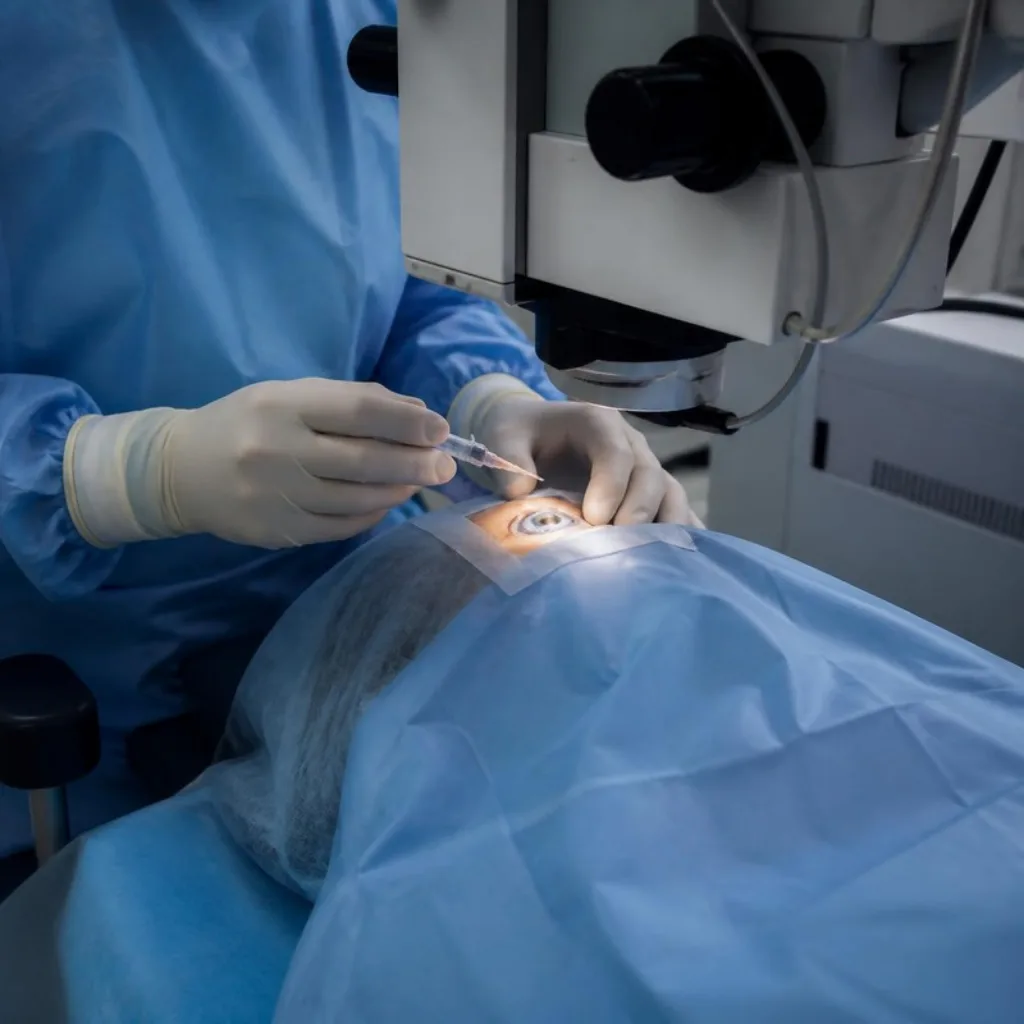
During cross-linking, riboflavin (vitamin B2) eye drops are applied to the cornea. The eye is then exposed to a controlled dose of ultraviolet (UV-A) light. This combination creates new bonds between the collagen fibers of the cornea, making it stronger and more stable. In many patients, cross-linking can halt the progression of keratoconus.
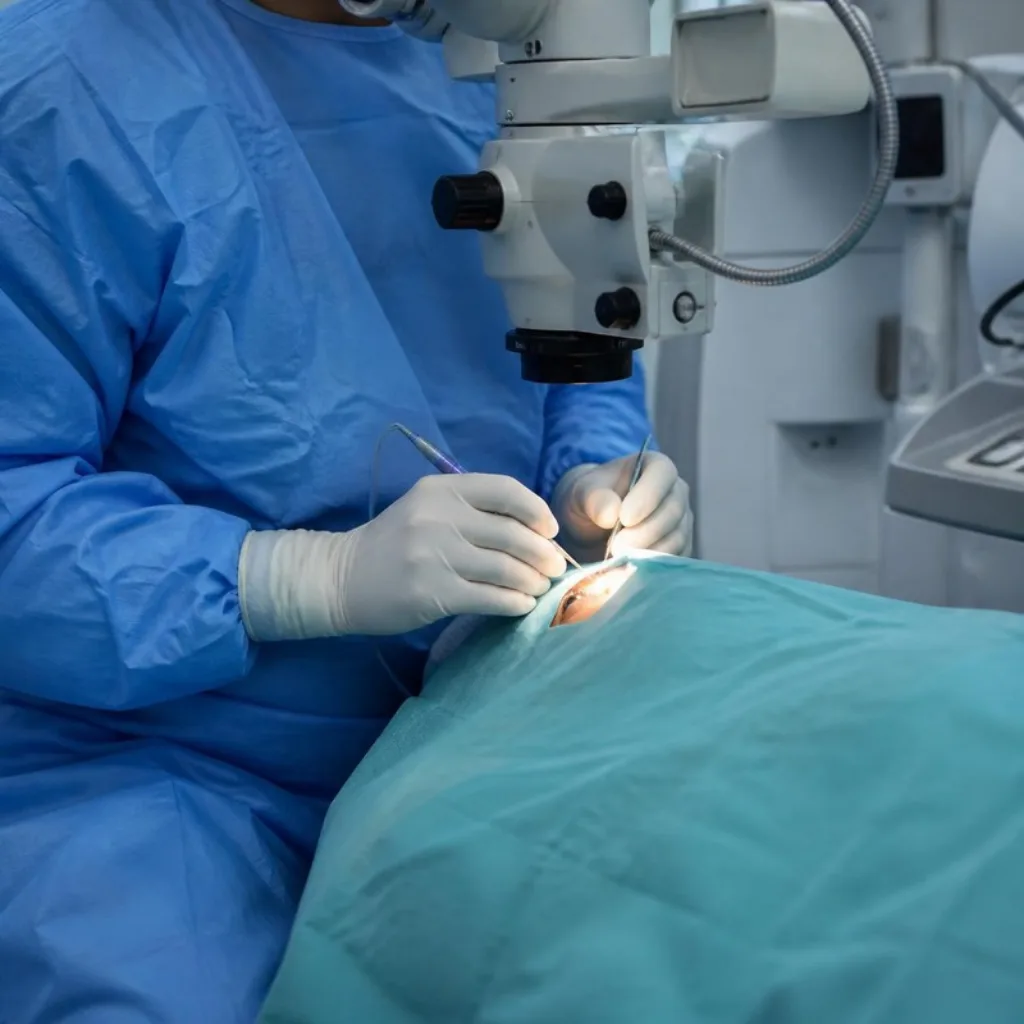
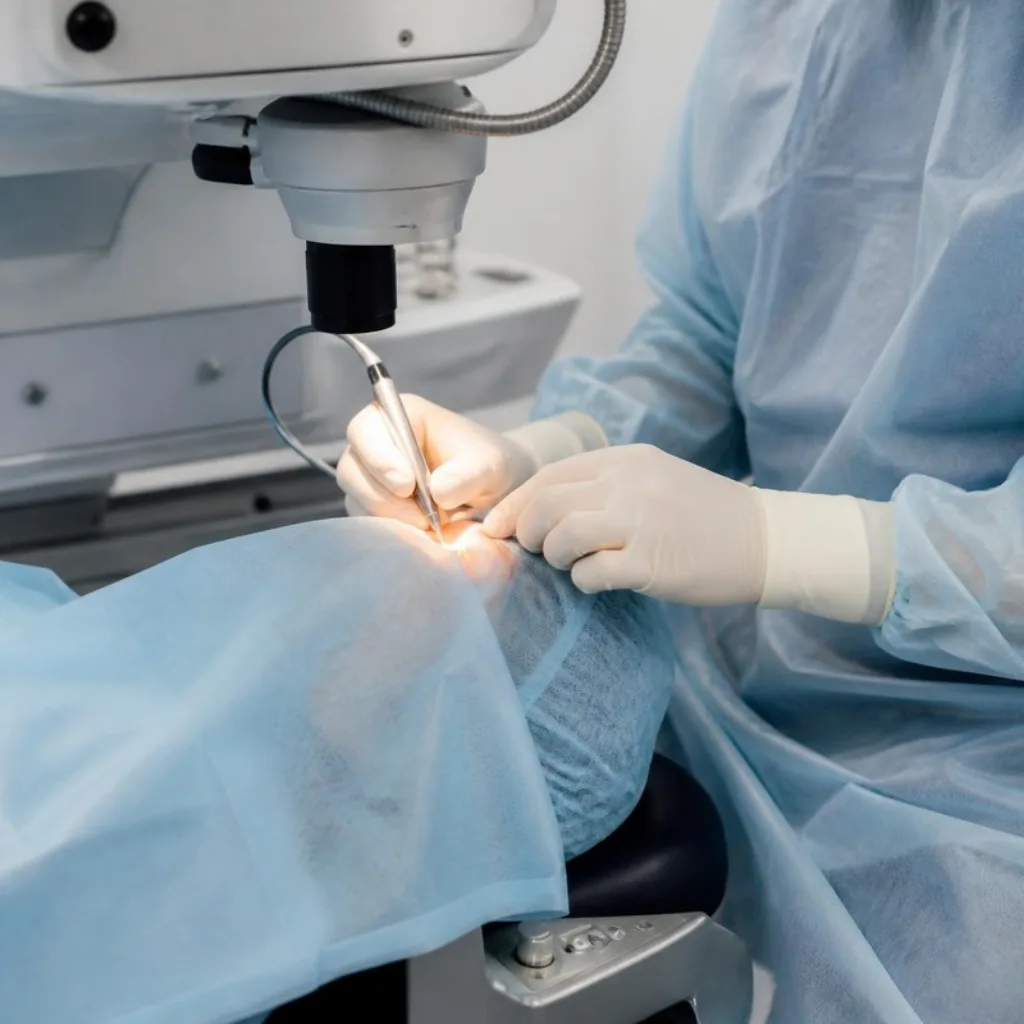
The procedure is performed under anesthetic eye drops and usually takes around an hour. It is not designed to reverse the existing shape of the cornea, but by stabilizing it, cross-linking helps protect your future vision. This is why early treatment is so valuable.
Other Treatment Options
Depending on the stage of the disease, your specialist may recommend additional treatments:
- Glasses and soft contact lenses can help in the early stages.
- Rigid gas permeable or scleral contact lenses can provide much sharper vision when the cornea becomes irregular.
- Intracorneal ring segments are tiny, clear implants placed inside the cornea to flatten and regularize its shape.
- Topography-guided surface laser may be combined with cross-linking in selected patients to improve corneal regularity.
- Phakic lenses (ICL) can correct high prescriptions in patients whose cornea has been stabilized.
- Corneal transplantation is reserved for advanced cases with severe thinning or scarring.
Every patient is different, and your treatment plan will be based on your corneal measurements, age, lifestyle and visual needs.
Why Choose Keratoconus Treatment in Turkey?
Patients choose Keratoconus Treatment in Turkey for several reasons. Our specialists have extensive experience in corneal diseases, and we use advanced imaging systems to plan every treatment accurately. Appointments can usually be arranged quickly, which is important for a condition that may progress. In addition, treatment costs in Turkey are often lower than in many Western countries, allowing patients to receive high-quality care without long waiting lists.
Your Journey with Eye Travel Turkey
Our international patient team supports you throughout the process. After you contact us, we can review any previous corneal scans you have and help you plan your visit to Izmir. We can assist with airport transfers, accommodation and translation support.
After your examination, our doctors will explain your results in clear language and recommend the most suitable treatment. You will also receive guidance on follow-up care, including when to have your next corneal scans at home.
Recovery After Cross-Linking
After cross-linking, a protective bandage contact lens is usually placed on the eye. It is normal to feel discomfort, watering and light sensitivity for the first few days while the surface of the cornea heals. Your vision may be blurry for a while and can continue to change over the following weeks and months. Eye drops are used to support healing and prevent infection. Avoiding eye rubbing is one of the most important habits for protecting your cornea in the long term.
Conclusion
Keratoconus is a lifelong condition, but with early diagnosis and the right care, most patients can maintain good, functional vision. Keratoconus Treatment in Turkey with Eye Travel Turkey offers advanced diagnostics, corneal cross-linking and a full range of vision-restoring options under the expertise of Kaşkaloğlu Eye Hospital. Contact our international team today to share your scans and learn how we can help protect your eyesight.