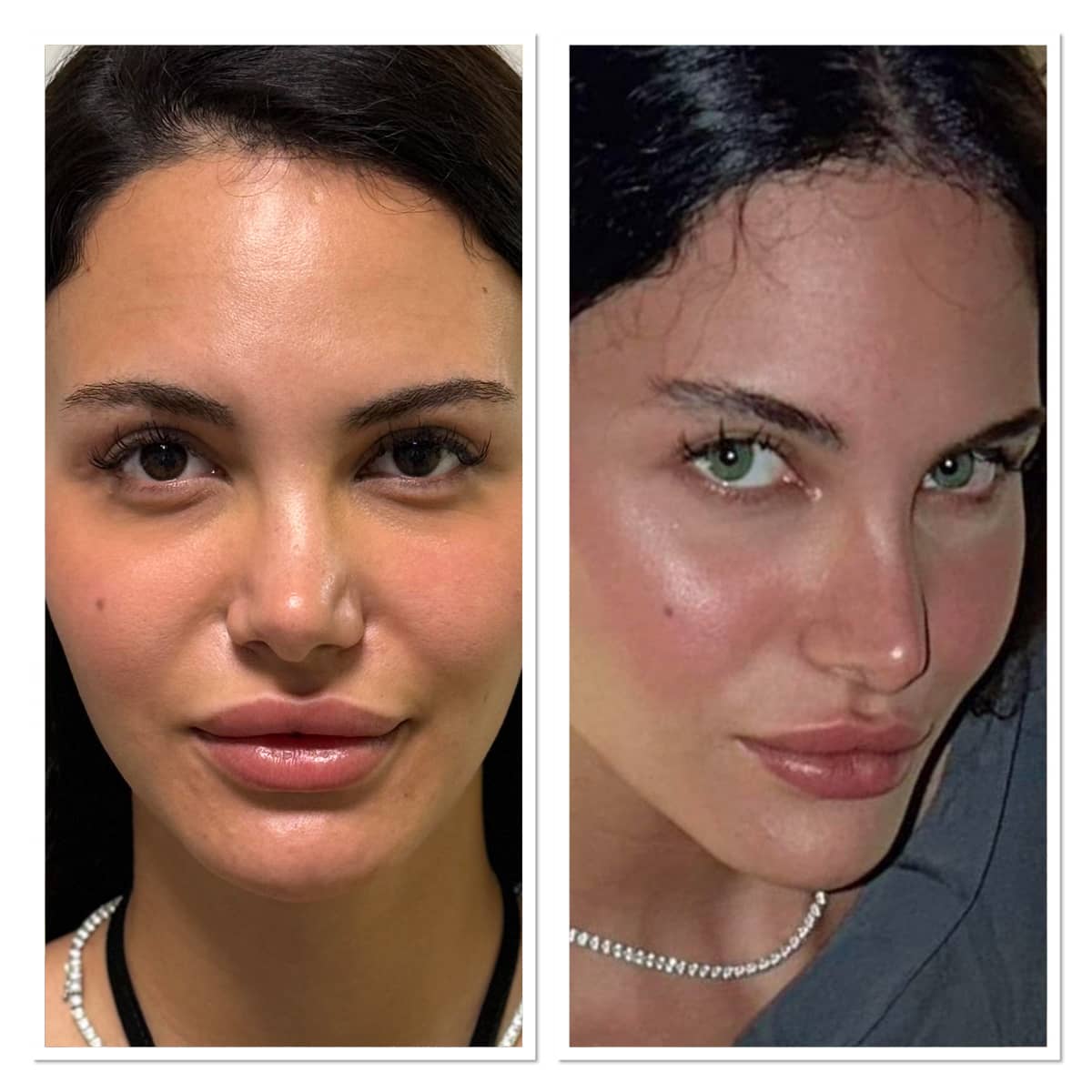
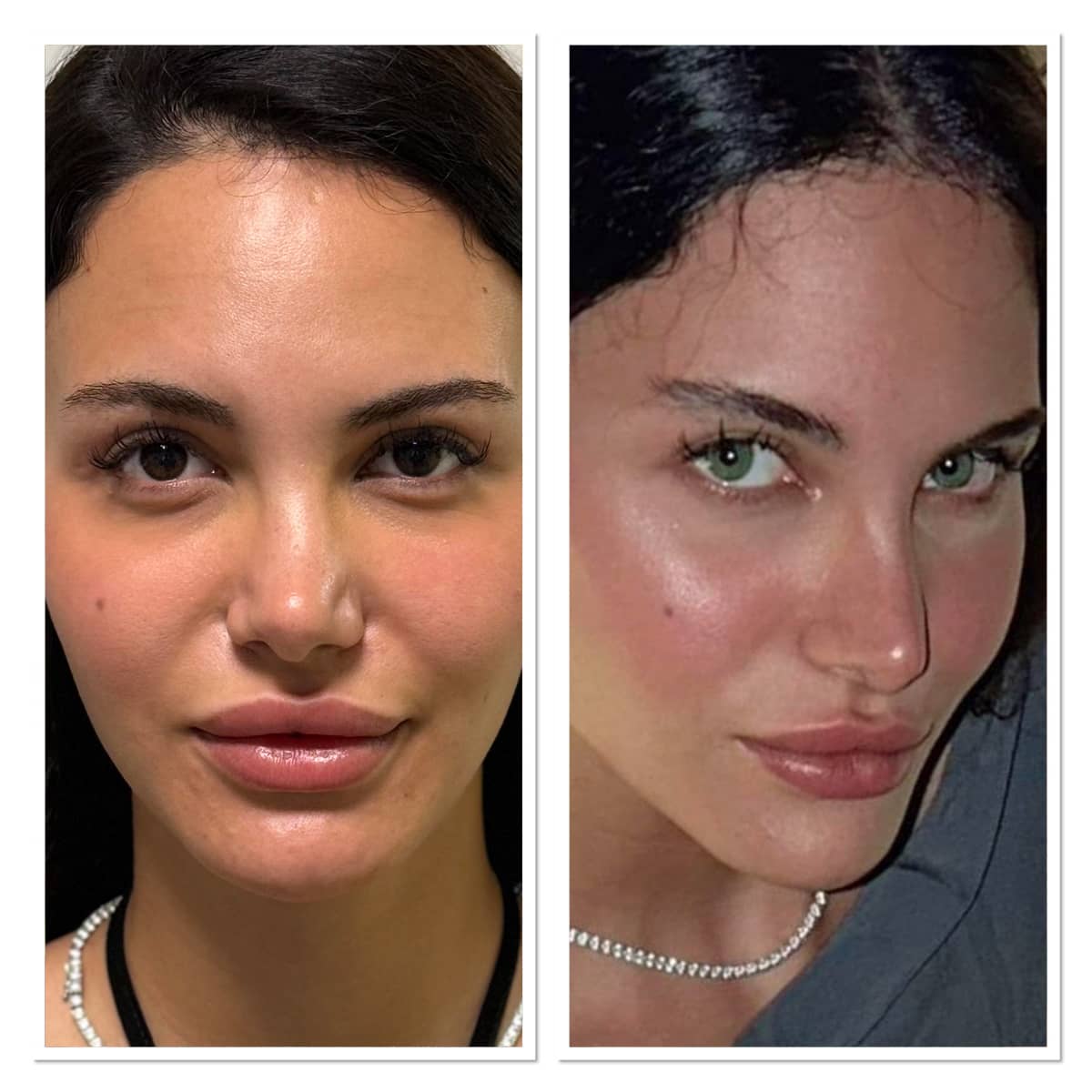
🧬 The Hidden Science of Eye Color: Why FLAAK Works Naturally and Safely
Many people think eye color is simply a genetic trait that defines whether someone has blue, green, hazel, or brown eyes.
In reality, eye color is a fascinating combination of biochemistry, optical physics, and microscopic anatomy.
Understanding these principles helps explain why FLAAK (Keratopigmentation) produces such natural and stable results.
🔬 1. Melanin — The Master Pigment Behind Every Eye Color
The front layer of the iris (stroma) contains varying amounts of melanin.
This single molecule determines most of the visible color:
- High melanin → rich brown eyes
- Moderate melanin → hazel or light brown
- Low melanin → green eyes
- Very low melanin → blue eyes
Melanin density changes not only the shade, but also how light is absorbed and scattered inside the eye.
🔭 2. Blue and Green Eyes Are Created by Light, Not Pigment
An important scientific fact:
👉 Blue and green eyes contain almost no blue or green pigment.
Instead, they get their color from Tyndall and Rayleigh scattering, optical phenomena similar to why the sky appears blue.
In lighter eyes:
- Light enters the iris
- Collagen fibers scatter short wavelengths
- The brain interprets this as blue or green
This means eye color is literally a play of light, not just pigment.
🧪 3. Eye Color Can Naturally Shift Throughout Life
Eye color is not as fixed as people think.
Changes can occur due to:
- Development of melanin in early childhood
- Age-related lightening
- Hormonal influences
- Trauma or inflammation
- Genetics interacting with environment (epigenetics)
This natural variability is why medically controlled color enhancement with FLAAK is possible and predictable.
🏥 4. How FLAAK Works: A Modern Optical Approach
FLAAK (Femtosecond Laser-Assisted Annular Keratopigmentation) places micro-pigments inside precise channels created in the corneal stroma using a femtosecond laser.
Key scientific advantages:
- No contact with the iris
- No entry into the inside of the eye
- No effect on vision, retina, or lens
- Pigment remains encapsulated inside corneal tissue
The pigments adjust how incoming light interacts with the cornea, creating a new, stable, and natural-appearing color tone.
It is an optical enhancement — not a change to the eye’s internal anatomy.
🌈 5. Why FLAAK Results Look So Natural
Unlike cosmetic lenses, which sit on the surface and reflect light artificially, FLAAK pigments blend with the tissue beneath the cornea.
This produces:
- Soft, natural transitions
- No “fake lens” appearance
- A personalized shade depending on the patient’s original melanin
- Consistent appearance under different lighting conditions
Every patient ends up with a slightly unique tone — just like natural eye colors vary from person to person.
📘 6. Why Turkey Leads the World in Scientific Eye Color Change
Türkiye is internationally recognized for FLAAK because of:
- High surgical experience
- Advanced femtosecond technology
- Strong ophthalmology training
- Large international patient volume
- Consistently natural results
This makes Izmir and Istanbul global centers for safe, science-based eye color procedures.
📌 Conclusion
Eye color is not simply a pigment — it is the result of physics, biology, and anatomy interacting together.
FLAAK works because it respects this natural system, enhancing eye color without touching the iris and without affecting visual function.
It is:
- Scientifically grounded
- Safe and minimally invasive
- Predictable
- Permanently natural in appearance
Meta Description:
Eye color is shaped by melanin, iris structure and light physics. Discover how the FLAAK procedure changes eye color safely by enhancing natural optical behavior.
Keywords:
eye color science, melanin, iris anatomy, how eye color works, FLAAK eye color change Turkey, natural eye color change, keratopigmentation Turkey, optical scattering, safe eye color change