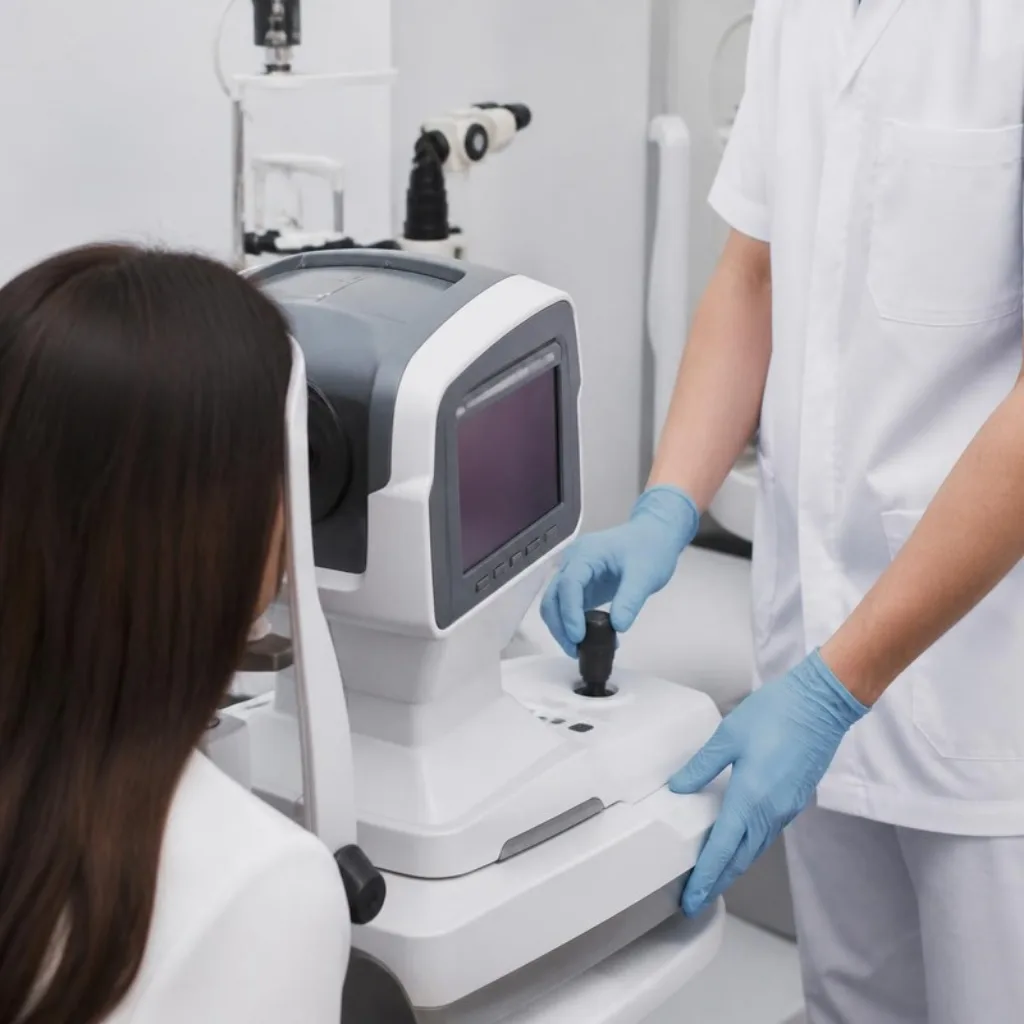
If you are looking for a reliable, safe, and flap-free laser vision correction surgery, TransPRK in Turkey is rapidly becoming the top choice for international patients. Millions of people around the world suffer from myopia, hyperopia, and astigmatism, relying heavily on glasses and contact lenses in their daily lives. While traditional LASIK has been the gold standard for many years, modern advancements have introduced incredible alternatives that do not require creating a flap in the cornea. TransPRK, often referred to as No-Touch Laser surgery, represents a massive leap forward in refractive surgery. In this comprehensive guide, we will explore exactly what this procedure entails, why so many patients are flying to Izmir for their treatments, and what you can expect during your recovery process.
What is TransPRK (No-Touch Laser)? TransPRK stands for Transepithelial Photorefractive Keratectomy. Unlike conventional laser eye surgeries where an instrument or a femtosecond laser is used to physically cut a thin flap into the cornea, TransPRK is a completely touch-free surface treatment. The entire procedure is performed using a state-of-the-art excimer laser. The laser gently and precisely removes the outer regenerative layer of the cornea (the epithelium) and then reshapes the underlying corneal tissue to correct your refractive error—all in a single, continuous step. Because no surgical instruments ever make contact with your eye, the risk of flap-related complications is entirely eliminated.
Why Choose TransPRK in Turkey? Medical tourism has grown exponentially, and TransPRK in Turkey stands out for several compelling reasons. First and foremost is the exceptional quality of care. Clinics and eye hospitals in Izmir are equipped with the latest generation of excimer lasers and diagnostic tools, matching or exceeding the standards found in Europe and the United States. Furthermore, Turkey boasts some of the most highly experienced ophthalmic surgeons in the world, many of whom are pioneers in refractive and laser surgeries.
Beyond the medical expertise, opting for TransPRK in Turkey offers incredible value. The cost of living and favorable exchange rates mean that international patients can access premium healthcare at a fraction of the cost they would pay in their home countries. Many clinics offer comprehensive medical tourism packages that include VIP airport transfers, luxurious hotel accommodations, comprehensive pre-operative screening, the surgery itself, and all necessary post-operative care and medications. This means you can combine world-class medical treatment with a beautiful, relaxing holiday on the Aegean coast.
How TransPRK Differs from LASIK and Standard PRK To truly understand the benefits of the No-Touch Laser, it helps to compare it to older methods. In traditional LASIK, a blade or laser cuts a flap in the cornea, which is folded back to allow a second laser to reshape the tissue. While recovery is fast, the flap never fully heals and can theoretically be dislodged by severe trauma.
Standard PRK eliminates the flap by manually scraping away the epithelium using an alcohol solution and a surgical instrument. This manual scraping can increase discomfort and recovery time. TransPRK improves upon both. It avoids the flap creation of LASIK—meaning absolute safety for athletes or those with active lifestyles—and it replaces the manual scraping of traditional PRK with a precise, computer-guided laser. The result is a smoother corneal surface, less trauma to the eye, and a slightly faster healing time than traditional PRK.
Are You an Ideal Candidate? Not everyone is suited for every type of laser surgery, which is why a thorough pre-operative examination is crucial. However, TransPRK is exceptionally versatile. It is often the recommended procedure for patients who have thin corneas and are therefore not eligible for LASIK. It is also the preferred choice for individuals involved in contact sports, martial arts, or professions (like military and law enforcement) where there is a risk of eye trauma that could dislodge a LASIK flap. If you suffer from dry eye syndrome, TransPRK is generally a better option than LASIK because it preserves more of the corneal nerves responsible for tear production.
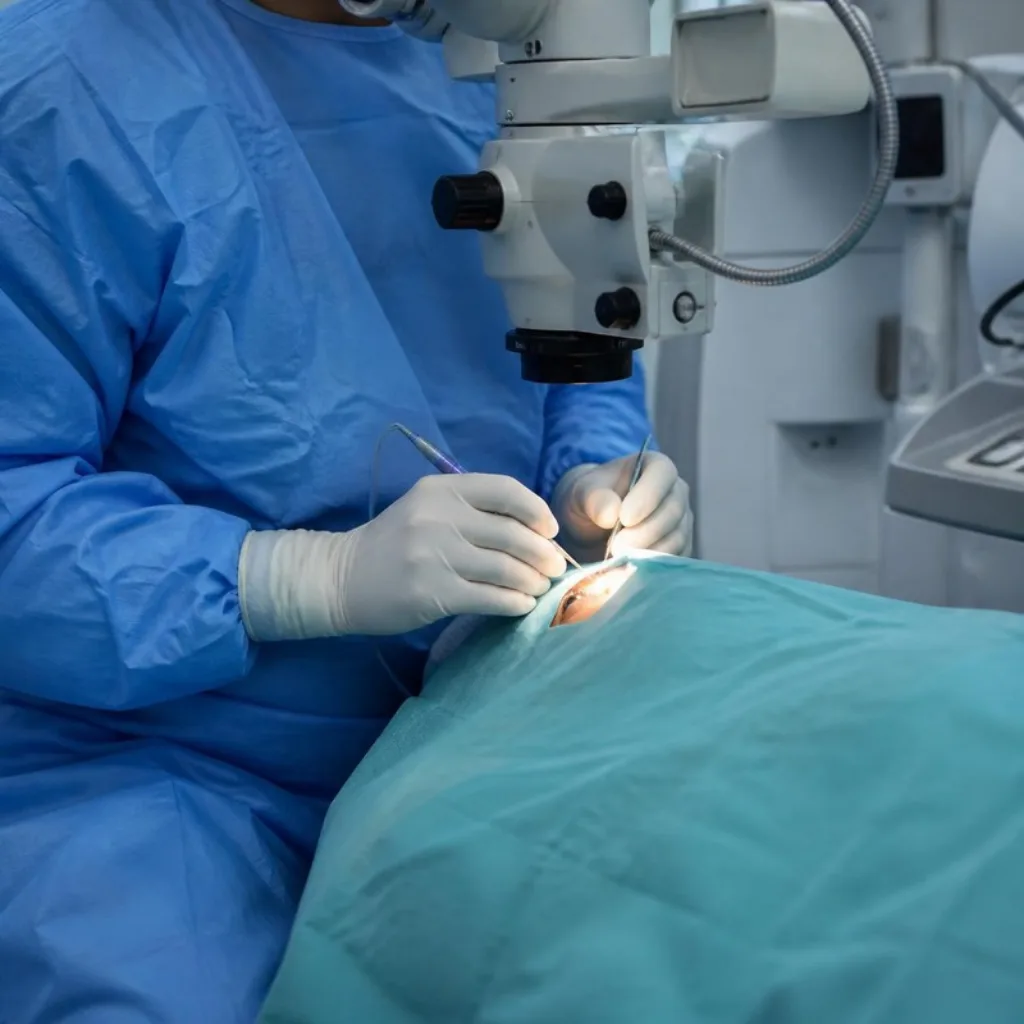
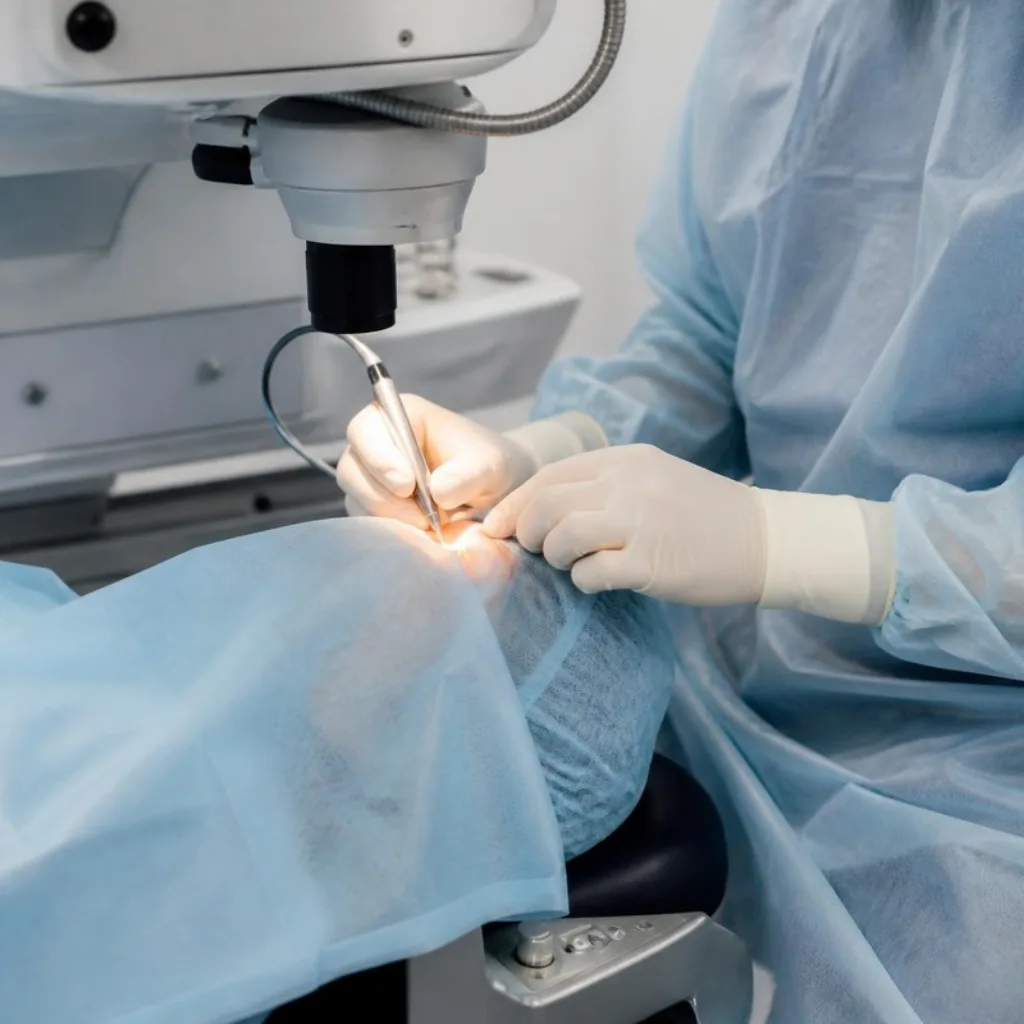
The Procedure and Recovery Process When you undergo TransPRK in Turkey, the actual time spent in the laser suite is remarkably short. Numbing drops are applied to your eyes to ensure you feel absolutely no pain. You simply stare at a blinking fixation light while the excimer laser works its magic. The laser treatment itself usually takes less than a minute per eye.
Once the laser has reshaped your cornea, the surgeon will place a soft, protective bandage contact lens over your eye. This lens stays in place for a few days to act as a shield while your epithelium naturally regenerates. For the first 48 to 72 hours, it is normal to experience some discomfort, tearing, and light sensitivity. Your clinic will provide you with specialized pain relief drops and oral medications to keep you comfortable.
By the end of the first week, the epithelium typically heals completely, the bandage lens is removed, and your vision begins to stabilize. While functional vision returns within a few days, your ultimate, crystal-clear vision will continue to refine over the next few weeks to months.
Conclusion Advancements in ophthalmic technology have made vision correction safer and more precise than ever before. Choosing TransPRK in Turkey gives you access to this cutting-edge, flap-free technology under the care of internationally renowned eye surgeons. If you are tired of relying on glasses or contact lenses and want a permanent, extremely safe solution without the risks associated with corneal flaps, the No-Touch Laser method in Izmir is a choice that will change how you see the world forever.